How to train a husky puppy to pee outside reviews
A dog especially a husky puppy can be trained to pee outside. Here is the review to find out how can we train our pet or husky puppy to pee outside instead of peeing inside.
Introduction
Although husky dogs can be stubborn and generally do not respond well to yelling, they are relatively easy to potty train using the same basic methods you would use to train other breeds. Keep in mind that whether you are potty training your child or something else, he will respond better to positive reinforcement as long as you give him clear and concise training instructions that he can follow. do
The most important thing you can do when trying to train your husky to go outside is that once you choose a training method, stick to it, even if it involves No matter how long it takes. Trying to change training methods will only confuse your fizzball and make it harder for him to know what you want from him.
Defining tasks
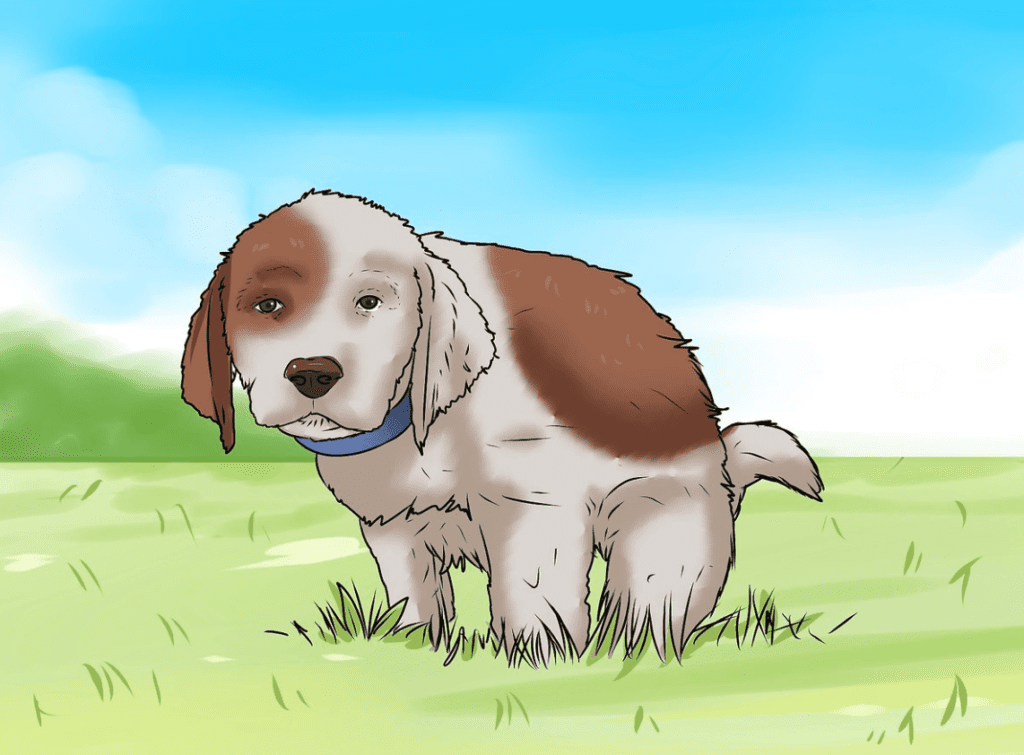
The task at hand is to teach your dog that it is not acceptable for him to enter the house in any way. At the same time, he must learn that it is okay for him to poop in a certain area of your yard. Keep in mind, going potty at home will be like doing the same thing in his den in the woods. This is something his mother must have taught him not to do because no dog likes a dirty bed.
The training process isn’t really that difficult, it’s mostly about spending time working with your pooch until he finally understands what you want from him.
What many people don’t realize is that you can start training your husky to get out the moment you pull into the driveway for the first time. At this point, you should put him on a leash and take him to the spot in the yard that will become his potty. Let him move around and get used to the area. When he goes potty, be sure to fuss over him and give him a small soft puppy treat.
Your poop training supply list:
Puppy-sized crate – for training and when you can’t watch your dog
Leash – To take him out into the yard
Gentle Treats – Gentle chewable dog treats will work well as rewards, just be sure to use them generously.
The last two items on your supply list are time and patience – you’ll need plenty of both for your training to be successful. Also, you need some type of enzymatic cleaner to completely eliminate odors from areas where your child has accidents.
I see your way.
Stock up on treatment

Keep a good supply of your dog’s favorite food in your pocket or a bowl by the door where you can grab some when you go out.
Never alone for a second.
Keep a close eye on your dog in the same room with you all the time, every minute. If he shows any signs that he is peeing or thinking about peeing (sitting, circling, sniffing, scratching, going to the door), “No!” say in a strong voice. You need to be loud enough to startle your dog, but don’t make your voice sound like you’re angry, that will make things difficult.
We are going to see…
Grab the leash, engage your pooch, and take him outside using verbal cues (“let’s go outside” or “let’s go potty”). When he goes, be sure to praise him and give him a tasty treat.
Give it a little extra time.
After you startle your pooch, it may take a few extra minutes for him to refocus on his task. So, make sure you give it a little extra time before taking it back home.
The road is always moving.
From here there is nothing but practice and work with your dog until he learns to hold himself and surprise you in strange places in your house.
Using his crate method effective
Make the perfect mix
Set your dog’s crate where you can keep an eye on him. Add a water bowl, a few toys, and a bed for him to lie on. Then put your dog inside and close the door.
Out on cue
Set a timer for 30 minutes. When it’s closed, open the door, put your dog on a leash and say, “Let’s go outside” or “Let’s go potty” and lead him directly to an area where he can poop.
won?
You won’t know until you give it some time. Give it 15 minutes to try, let it spin. The more he wanders, the more likely he is to go crazy. If he goes, give him lots of praise and treats. If not, that’s okay too, just take him back inside and put him back in his crate.
Reset.
Reset the timer for another 30 minutes. Keep a close eye on your dog. If he starts crying, take him straight outside, no matter what the clock says. When he poops, be sure to fuss over him and give him treats.
Building perseverance
Gradually, in five or ten minute increments, start increasing the time between poop breaks. This will help increase your dog’s stamina. Remember to use your cue, “let’s go outside” or “let’s go potty”. Pick one and stick to it so they don’t get confused.
Free at last
By now you should be starting to leave the crate door open and let your dog roam in the same room with you. Keep a close eye on him and at the first sign he might be thinking about going potty, use your cue and take him outside. When he goes, be sure to praise him and give him a good treat. Stick to your timer schedule and in time he will learn not to go in the house.
Using the territory effective

Stop by your favorite pet supply store.
Stop by your favorite pet supply store and pick up a bottle of Puppy Potty Training Spray. These sprays contain pheromones designed to mark your grass with a scent that your dog will detect as another dog. They then encourage him to urinate to mark the area as his own.
Every 30min timer
Set a timer for 30 minutes and when it goes off, put your child on his leash and lead him to the spot you marked earlier.
Let him wander
Let your dog roam around the marked area and give him time to go potty. When he does, be sure to praise him and give him a treat.
I don’t need to go now.
If after 15 minutes your dog doesn’t feel the need to go, that’s fine, take him back inside. Reset the timer and keep a close eye on it. As the timer ticks, if he shows any signs that he needs to be pottyed, take him straight to the marked spot. When he goes, be sure to praise him and invite him.
Continued
Everything else is up to you. You should keep practicing with your dog and increasing the time you go until your dog starts telling you when to go. mission accomplished!
The main causes of dogs soiling indoors
· Newly adopted dog
The dog is newly adopted and lacks any reliable indoor skills, toileting being one of them. It’s a big problem for owners when they find that their new dog lifts his leg on the sofa, squats and urinates on the living room carpet, and has no idea that he’s in that area. What is expected from This is the only scenario where the current owner did not create a dog problem. The owner inherited the problem when he adopted the dog.
· Outdoor dog
The dog has been in the same house since he was a puppy but was kept exclusively as an outdoor dog where he eliminates wherever and whenever he wants. Unfortunately, trying to housebreak a dog that has been living outside exclusively can be very difficult and frustrating to finish because the dog has no idea what it is doing. He only responds to the urge of the moment when he feels it.
Often owners have done very little to housebreak these dogs as puppies and when they get tired of cleaning up after all the dog accidents, the dog is left to live outside.
Badly trained dogs
When the dog was a puppy, no one really took responsibility for making sure the dog was taken outside to eliminate regularly and this resulted in many toilet accidents in the house. Owners became angry with the dog when accidents occurred and punished the dog by eliminating it at home.
The dog never made a connection about why humans did so much work or what they wanted to do with it. He only knows that when he urinates or wipes it has something to do with it. So the dog came to the conclusion that the issue of angry humans and punishment could be avoided by making sure no one saw him urinate or defecate. And thus a “stealth pear and popper” is formed.
Behavior cannot be corrected because no one can catch it in the act. Now he urinates very slyly and stealthily all over the house and the owners have to buy steam cleaners to clean the carpets regularly.
Using a dog training pad
This is not the way to train a husky. When you allow or encourage a dog to urinate inside, the dog cannot generalize that it is only there to pee. Nor can he decide what is a pee pad and what is a small throw rug or area rug.
He can’t even articulate why sometimes it’s okay to pee in the house and other times he can’t. Owners can save themselves a lot of time and frustration by starting the process of taking the dog outside to be euthanized right away. If possible, leave the entire training to the pee pad thing.
The good news is that the solutions to all of the above problems are the same. You should go back to square one for the basics of housebreaking. In the case of non-dogs, the difficulty is that you are not only trying to get an adult dog out of the house, but you also have to break the bad habits it has ingrained. It’s much wiser and easier (as long as you’re starting out with a dog) to spend the time and effort housebreaking the dog first and then you don’t have to retrain the dog later.
How to train a dog 101
For those of you who have new dogs or are thinking about getting puppies, you’ll want to have a really good sustainable plan for getting your dog out of the house. For those of you who want to go back to the beginning and retrain an adult dog that is not housebroken, the steps for reliable housebreaking remain the same.
Here are 8 basic steps to housebreaking any dog, regardless of age.
1. Create a potty training schedule
One thing is for sure, puppies are playing, eating, drinking, peeing, pooping and sleeping machines. At any given time a dog is sure to do one of these six things. Watch your dog for what his natural schedule is going to be. There are some constants for all dogs. They will need to urinate and wipe within 15 or 20 minutes after eating or drinking. Immediately after vigorous play, they will need to pee and poop. Soon after they wake up, they will need to urinate and wipe. So be alert and take your dog out immediately after one of these events.
The rule of thumb for a dog’s bladder is as follows: You can expect a dog’s bladder to hold in months and hours in hours equal to its age. So that means if your puppy is 2 months old, you can expect him to hold his bladder for 3 or more hours. But just know that sometimes puppies don’t get the memo about this so be prepared for them to pee sooner than later.
2. Create a feeding schedule
If you know a dog will need to go potty 15 or 20 minutes after eating, make a consistent feeding schedule 3 or 4 times a day and then you’ll know when to expect your dog. are Will need to poop. Creating a schedule makes your life easier in the long run.
3. Select a fixed termination area.
When you take your dog out to eliminate, take them straight to this designated spot. Having a designated elimination area helps the dog know what is expected of him. If they insist on running, put them on a leash and keep them outside until they run away. If they relieve themselves, immediately praise and mark the behavior as soon as they are done (do not interrupt them or they will startle and stop what they are trying to do). Treat a high value to do. Then bring the dog back inside to show him that the exit point is now complete.
- If you’ve been standing outside for 10 minutes and your dog still hasn’t calmed down, bring him back inside but watch him very carefully and try again after about 5 minutes. Better to keep coming back and going out every few minutes than standing there for too long. Dogs have a very short attention span and tend to forget why they were brought out.
- If your dog is having trouble getting the idea of a specific elimination area, try putting seeds in that area with his poop to help him understand what you want him to do. If you are using a pee pad, place a dirty pee pad in a designated area to eliminate to help your dog understand what is expected of him.
- As soon as you take him outside, cue your dog to finish on command. Pick a word, it doesn’t matter which word you use as long as it is used consistently. Dogs in my house can be prompted to urinate or defecate using these words as cues.
4. Know the signs your dog needs the potty.
When a dog needs to eliminate, its nose goes straight to the ground. He starts frantically circling, pacing, and sniffing in search of just the right potty spot. His tail will be kept ready for the coming end. If you see your dog behaving like this, remove him immediately and take him to an outside area. Don’t try to call him over or try to follow him out. While he’s sniffing the ground, within moments he’ll be peeing or pooping. Good timing is critical to successful housebreaking.
5. Don’t let your dog run around the house.
It’s much easier to keep a close eye on your dog when you’re in close proximity. Block off areas using baby gates or other temporary measures until you are constantly eliminating the dog from outside.
6. Crate train for housebreaking
Since puppies learn from their mothers at a young age not to soil their bedroom, you can use this to your advantage when training your puppy. Buy a crate big enough for them to lie down and move around in or buy a large crate for them to grow in but use a divider to keep your dog confined to a small area. If the crate is too big, your dog will end up in one place and sleep in another, defeating the point of crate training for housebreaking. Once a dog starts littering the crate, it can be very difficult to get rid of the habit, so make sure you use the right size crate for the dog and the size of the crate for the purpose. Prepare the dog for success by using it correctly. . .
7. How to handle a dog overnight.
This is probably the hardest part of training a dog. If you are using a crate, you can crate the dog in your room right next to your bed (where he can see and hear you). Be prepared to get up at least once a night to take your dog outside to pee. Pick it up and carry it to its final destination. Get your shoes and jacket ready and sit by the door waiting for your midnight potty break. After the puppy is finished, bring him back inside and put him back in the crate. Be prepared that he may not want to go back to sleep once the cold night air wakes him up, so you may want to discuss the rules with him.
A reasonable nighttime schedule might be for you to wake up around midnight, take the dog out for his last potty break of the day, and then put him to bed in the crate. He will probably wake up around 3am or 3:30am. Take the dog outside to pee, and then go back to sleep by 6am. This way you only have to get up once throughout the night.
8. What to do when soiling accidents occur.
Accidents will inevitably happen, especially during the first few weeks. If an accident occurs, do not yell at your dog or show signs of frustration or excitement. Your dog is learning a new concept and negative emotions will only hinder the process.
If your dog ends up in the house, immediately take your dog outside to a designated area and stand with him for a while and show him where you want him to go potty. If you’re lucky, he may eliminate again after recognizing the scent of his poop. If not, just go back indoors.
Upon returning home, clean the dirty area quickly and thoroughly by following these steps:
- Remove as much dirt as possible using paper towels.
- Saturate dirty areas with a pet mess cleaner like Simple Solution Stain and Odor Remover, which contains pro-bacteria and enzymes to effectively remove stains and odors. Regular cleaners only mask odors but don’t eliminate them, causing your dog to end up in the same spot later.
- Leave the solution for 10 minutes while the enzymes break down the stain.
- Wipe off excess solution and allow to air dry.
A strong 3-part vinegar to 1-part solution can be sprayed on these areas to prevent puppies from sniffing and eliminating. Keep in mind, though, that using this spray indoors can leave your house smelling like vinaigrette salad dressing for a while. Great for outdoor use to prevent puppies from ending up in unwanted places.
How to use the indoor-outdoor method
If you don’t have a yard, or your dog is in the process of finishing his shots, it’s best to start potty training indoors and then move your pet outside. To start potty training your dog indoors, you’ll need to learn how to pad train a dog, or how to start crate potty training.
Using a potty pad
Designate a confined area to start house training—like a bathroom or laundry room (ideally a place where it’s easy to clean the floor in case of accidents!) Whatever area you decide on, Make sure it is dog-proof and remove any harmful products. Next, organize the space by covering the floor with a pee pad and placing your pet’s bed in a corner of the room.
When you have consistent success with your dog using just one or two pee pads, you can gradually increase the area they have access to. Reduce the area if accidents begin to occur. For pet parents who plan to move their dog to an indoor or patio grass “potty,” move papers near that location. Now, you’re ready to teach your dog a potty cue so they can relieve themselves outside.
Using crate potty training
Before you start crate potty training, you need the right size containment. Keep in mind that your pet only needs enough space to stand, move around and lie down. Any more room will encourage them to rest in one corner and sleep in another. Some crates come with dividers so you can adjust the size as they grow.
To get your dog used to their crate, add a treat and allow them to go in and out. Praise your dog every time he enters. Work your pet up to 10 minutes in their crate and then longer when they are comfortable. When your puppy associates his crate as his living space, crate potty training begins.
Instead of messing up the place where they sleep and eat, they’ll tell you they need to go. As with other potty training methods, developing a routine is key. Within fifteen minutes of eating, drinking or playing, your dog should have a chance to relieve himself.
How long does it take to train a puppy?
There is no fixed time frame when it comes to how to train a dog. There are many factors that come into play, consistency being the most important. Be sure to reward your dog for following the training plan.
How to properly deal with accidents.
Accidents will continue to happen no matter how hard you try to prevent them. It’s a matter of determining the cause and reinforcing positive behavior. Knowing when your pet is stressed or causing frequent accidents will help you take corrective action. To clean the mess, make sure to clean the dirty area thoroughly. Pet-safe stain removers and deodorizers are good cleaning products to keep on hand.
Keep in mind that even house-trained puppies are prone to accidents when they go outside. To limit this behavior, keep your dog’s schedule as consistent as possible. If you’re going on a trip or visiting friends, take your dog on long walks with plenty of opportunities to empty his bladder beforehand. Bringing toys is another useful technique, as they can help keep your pet focused on an activity.
How to Pee Pad Train Your Dog
This method requires a little more thought on your part, but can help reduce the number of full-blown accidents as your dog learns the ropes. It uses pee pads, or puppy pads, as an intermediate step between learning to pee wherever they want and just peeing outside. This means you can set up an area of your dog’s playpen or their crate (if you’re crate training) with some good absorbent pads to reduce messes caused by small accidents. .
This is a good option if you live in a flat and have a very young puppy, as it means fewer trips down the stairs/in the lift as long as they keep it a bit longer. Don’t be too old for If you only have a common area for your pooch to exercise, use this method to limit their time in that area until they’ve had all their vaccinations.
So, here’s how to stop your dog from peeing inside:
- Set some dog pads where you want your furry friend to go to the toilet.
- Take your dog to the toilet area regularly – and definitely more than when they are desperate! This includes first thing when they wake up, after every meal and every two hours (or however many are right for your dog’s current abilities!).
- When they get there, give them plenty of time to go to the toilet if they want and give them lots of praise and healthy treats when they go.
- If you see an accident and the cute culprit is nowhere to be found, clean it up and forget about it. They don’t learn from past mistakes, so there’s no point in showing them what they’ve done, even if you’re unhappy about it!
- If you see them mid-pee, pick them up gently – they should stop – and then place them on the pad to finish your business. Praise and treat!
- On occasions when you take your dog outside, try to time it so you know they have to go to the toilet and go crazy with praise. This will let them know that peeing outside is the best way to please you.
- As your dog gets better at going to the pad when he needs to pee, move the pad closer to the exit every day. This will help them get ready to finally just go outside!
- Finally, and when you know you’ll have enough time to take them out several times a day, get rid of the pads and start taking them out more regularly than you think. This is to help them get used to the transition and give you extra time to get them out of the house! You may need to bring a dog pad with you and place it on the grass, and if your little one then struggles when trying without the pad, try reducing the size of the pad until then. Do it until it works!
If your dog won’t go outside for a pee break, bring him inside. Don’t play with it or make a big deal about it. Just take him out in 15 minutes and try again until he decides to oblige! Otherwise, he’ll associate the doorman with taking you out for playtime.
How to Train Your Dog Without Using Pee Pads
This method is the only and complete way to train your dog not to pee at home! The advantages are that the way you train stays the same throughout – no pads moving around – and that you don’t need to buy lots of puppy pads. The downside is that any little accident happens directly on your floor/carpet/whatever little Fido is sitting on at the time, and you have to take yourself and your canine companion out all the time. No matter the weather.
Here are the steps you need to follow:
- Take your dog out to the garden as soon as they wake up, immediately after a meal or vigorous play, and every one/two/three hours depending on their age. The idea is to get them out before they pee!
- When they go to the toilet outside, give them lots of praise and healthy treats to let them know they did a good job, and to encourage them to do it the next time they need to. To go out! Do this even if they are already outside, for example during a walk.
- If you catch your dog peeing in the middle and they’re not where they should be, gently pick them up – they should stop peeing – and take them outside. When they finish their pee outside, more praise and treats!
- If you see an accident at home but don’t catch your dog in the act, just clean it up and move on. They can’t understand past actions the way children learn, so they’re miserable
- Training a dog takes time and commitment, so be patient. When you think your pet is going astray, go back to the basics. Whatever method you choose, stick with it and develop a routine. With positive reinforcement, your pet will begin to recognize when they are exhibiting good behavior. Be prepared by purchasing all the potty training supplies you need!
Teaching your dog to ask to go out
Teaching your dog to go outside is possible through training.
Signs Your Dog Wants to Go Outside
Before training your dog, know that they may already be telling you that they need to go outside. Watch out for the following symptoms:
- Sniff and circle the area
- Crying
- Pacing or fidgeting
Developing a routine for your dog’s potty breaks will help reduce uncertainty.
If your dog is still soiled inside, take proper house training steps first. Establishing a pattern for feeding and going out will help them settle into a routine. This prevents them from resting in your home. Reward them for going out affirmatively and treat them immediately when they complete the act.
Similar tactics are used to train them to let you know they need to go outside.
Classical conditioning
Training your pet comes down to classical conditioning. If Ivan Pavlov could teach a dog to salivate on command, surely you can use the same techniques to teach them to go outside.
Classical conditioning is quite simple. The original experiment involved ringing a bell when the dogs were fed. After repeating this action for a long time, just ringing the bell made the dogs salivate. They were ready to eat. This type of basic education is called “emergency”.
Classical conditioning and potty training
House training your dog involves a lot of conditioning. For example, you may have a routine of going potty with your dog half an hour after each meal. Your dog may need to go potty when your alarm goes off in the morning.
Training your dog to go outside involves adding an extra stimulus to their house training routine. The most common technique is training your dog to ring a bell when they need to go outside.
Ring the bell, go out
You may prefer to teach your dog to ring the bell during house training, rather than barking or standing quietly at the door. This technique trains your dog to ring the bell when he needs to relieve himself. It’s not as simple as Pavlov’s early experiment.
Step 1. You need to train your dog to ring the bell:
Hold the bell close to their nose. Reward them when they touch the bell. The reward depends on your dog, but a treat usually works fine.
Repeat until your dog is reluctant to touch the bell with his nose.
Begin adding a cue or command word such as “touch” to their act of touching the bell.
Place the bell far enough away from them that they walk a few steps to touch their nose. It adds a physical aspect to the work.
Step 2. This step trains them to ring the doorbell on command:
Choose the door of your house where you will take your dog outside and hang the bell on the door.
Continue training from Step 1 with the doorbell using the command word.
Don’t forget about rewards and affirmations when your dog touches the bell!
Repeat this step until your dog touches the bell on cue.
There are products you can buy that allow your dog to touch a button with his paw to ring a bell. Whatever you think is best for you and your pet will work just fine.
Step 3. At this point, your dog will be trained to touch the bell on cue. These steps teach your dog to touch the bell at a specific time:
Approach the door and cue your dog to touch the bell with your command word.
When they do, react with enthusiasm, open the door, and usher them out.
With enough repetition, your dog will learn that you will open the door and let them out whenever they ring the bell.
Sometimes, your dog may ring the bell just to go outside and play. You have to reinforce to them that the bell is for potty time. When they ring, put on your leash and lead them to the part of the yard where they usually rest for a few minutes. If they go potty, confirm and reward. If they don’t, go back inside.
With enough repetition, your dog will learn that ringing the bell means going to the potty. It requires a lot of repetition, patience and participation from everyone in your household.