How do I stop my big dog from pulling reviews?
Dogs pull to get where they are going. Dogs want to engage with the environment, and humans, dogs, can be lazy. Leashing and bonding with humans is not “natural” behavior for dogs.
Many dogs will naturally “bend” when they feel pressure on their collar and move forward. Walking on a loose leash is a complex skill and requires patience, planning, and persistence.
How do I start?
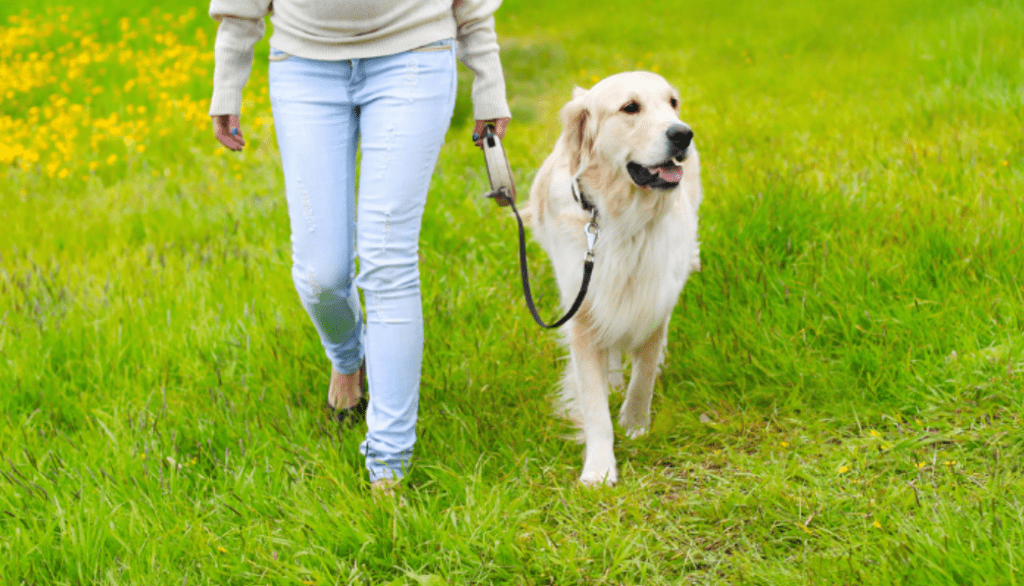
All dogs need plenty of social, mental, and physical stimulation every day. Regular leash walks can help with mental and social stimulation, but they rarely really meet a dog’s need for physical exercise. Before teaching a dog to walk on a loose leash, you should make sure that the dog’s daily needs are being met.
Unstructured exploration and low-stress walks in a quiet location are important parts of wellness for most dogs. Here are some things to consider before you get started:
Has my dog had a great exercise or play session today? This can be done safely in a fenced area or on a long line (use a fixed leash 15-50′ long and avoid retractable leashes).
Has my dog had a chance to smell, explore and interact with the environment today? This can be safely in a fenced area, or in a long line.
What equipment does my dog need?
Strips
Choose a strap that is 6-10 inches long and fits comfortably in your hands. It should be wide enough that it won’t burn your hands if the dog pulls, but narrow enough that it’s comfortably light for the dog to wear. You’ll also want a long line – a leash 15-50′ long to use for unstructured safe searches. Avoid using retractable straps; This can result in severe friction burns to both people and animals.
collar
If you choose a collar, use a simple, flat collar that is fitted so you can fit 2-4 fingers between the collar and the dog’s neck. The collar should be snug enough to prevent it from slipping over the dog’s head. If your dog pulls too hard, pulls until he coughs or makes a noisy breathing noise, or becomes physically unbalanced or overpowers you when he pulls. Yes, a collar is not the right choice for this dog.
How about a training collar?
Training collars, such as slip, choke, prong, or electronic collars, all rely on inducing pain to prevent the dog from pulling. When the leash is tight, the collar causes pain in the dog’s neck. When the strap loosens, the pain stops. If the collar is effective, the dog learns to keep the leash loose to avoid pain.
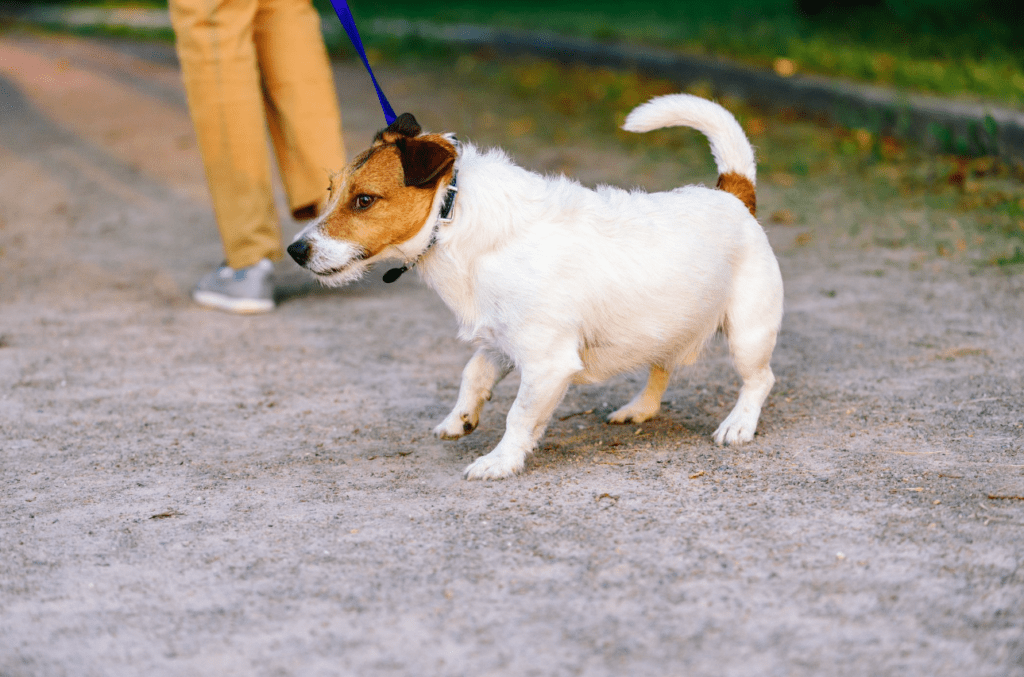
There are some problems with these collars:
- The pain needs to be painful enough for the dog to stop pulling. Some dogs will not stop pulling until the pain is severe enough. Painless training is a priority when building a trusting and healthy relationship with our dogs.
- Some dogs can be injured by heavy pressure on collars, especially training collars.
- Some training collars have no limit on how tightly they can be fastened, putting the dog at risk of strangulation if it becomes tangled.
If the dog is pushing against a person, another dog, or something else in the environment and we tighten the training collar, which causes pain, there is a risk that the dog will carry that pain with it. This can contribute to fear or aggression toward strangers, other dogs, or other stimuli in the environment.
Harnesses
A well-equipped H-Style or Y-Style harness can be a wonderful tool for many dogs. A harness should only be worn when the dog is on a leash. What to look for in a harness:
- It is easy to put on and take off.
- It does not flutter.
The shoulder joints are moving freely without a strap at the front of the shoulder. Be especially careful with “no bridge” harnesses. Some styles can cause injury by pressing on the front of the shoulder joint.
The dog cannot back up and get out of control. Some deep-chested dogs, such as greyhounds, may require the use of a “double-h” for protection.
The leash can be cut in at least two places:
- between the shoulder blades on the back
- under the dog’s neck between the front legs.
Head collars
Head collars fit around the dog’s nose and ears, like a halter. Head collars can give extra control, especially when a strong, powerful dog has a small or weak handler. A head collar needs to be carefully selected and introduced. Dogs are not used to wearing things on their mouths! It takes time for a dog to positively accept head collars, and they are not right for every dog. When using a head collar, a second leash should be attached to a harness or neck collar as a safety backup. A safety leash is helpful because if the dog snaps quickly and hits the end of the leash with only the head collar on, the leash can quickly pull the dog’s head toward it and put unnecessary stress on the dog’s neck.
How do I start and how do dogs learn?
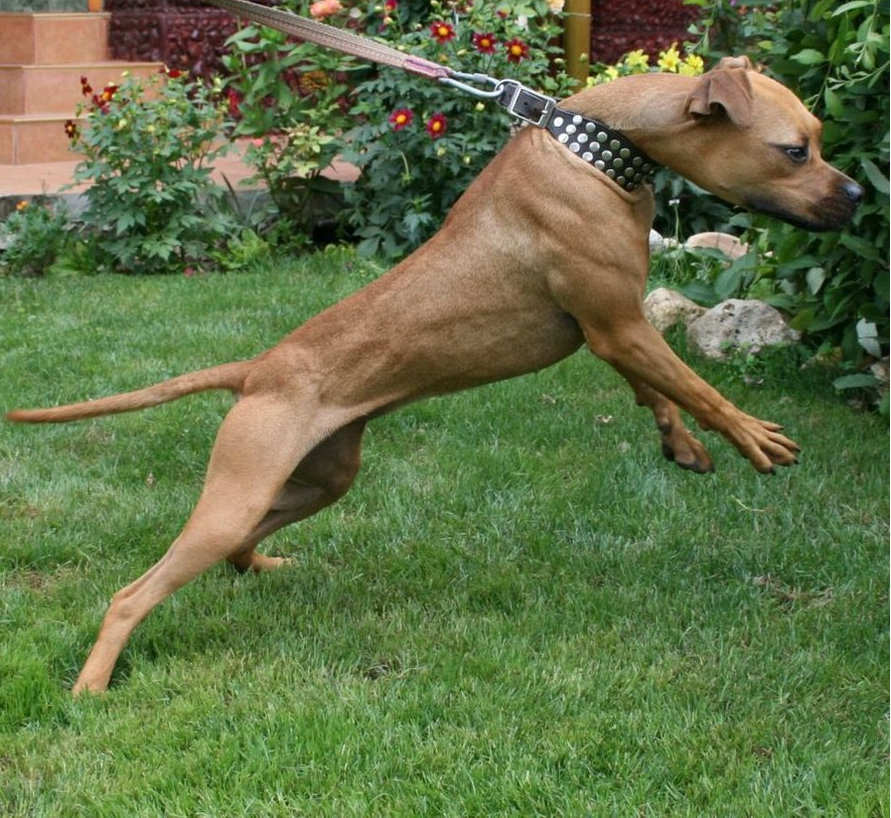
Dogs, like any animal, do what “works”. They will repeat behaviors that have a favorable or meaningful outcome. When we are working to change or improve a dog’s behavior, we need to consider what the behavior achieves from the dog’s perspective – and how we can change that event. can so that the dog’s behavior improves.
It is often helpful to use the ‘A-B-C’ method to consider why the dog is moving in a particular direction.
A = Antecedent. What happens before stretching?
B = Behavior. Pulling is the behavior in question, but it’s probably with other behaviors too!
C = Conclusion. What happens during or immediately after stretching? This is the “result” from the dog’s point of view.
Creating a training plan means identifying A, B, and C – and considering how A and C can be changed so that B changes. Every training plan will be unique to the dog and family, but most pulling can be prevented or reversed using a positive reinforcement-based training approach.
Example: Pulling towards another dog.
Remember, your dog can only see the world through his eyes. He is being stopped, but he can see anything he wants. Pressure in the direction of travel can be counterproductive from the dog’s perspective. Others watch the ABCs to draw on the dog.
A = Your dog sees another dog appear.
B = Your dog pulls on the leash.
C = You and the dog are moved closer to another dog.
From the dog’s perspective in this example, pulling is an effective way to get him closer to what he wants. Barking is one-way dogs will ask for space or try to get another person or animal out of their space.
Prevention: Foundation skills
Start with a well-trained dog in a non-distracting environment such as the home or your yard. Take lots of small treats with you, and if your dog likes toys, bring along your dog’s favorite toy.
A-B-C: Loose strap
Clip on your dog’s leash and stand quietly. Wait for even the tiniest second of slack in the strap. Tell your dog “Yes!” When the leash is loose, quickly provide a treat or two by either putting them in his mouth or dropping them on the ground near your feet. Encourage him to eat them with an excited voice when you point them out. Move 1-2 steps forward and repeat the process.
A = Dog is on leash, you are there with treats.
B = Dog stays close enough to you that the leash is loose.
C = Wonderful behavior and happy praise.
In the beginning, using lures can be helpful. Lure means encouraging the dog to follow a treat so that they perform a certain skill. Hold several treats in your closed hand with your leg at the level of your dog’s nose. Once your dog’s nose is attached to the treat like a magnet, deliver a treat every 2-3 seconds. Start walking, just a few steps at a time, consistently providing treats as long as the dog stays close to you and the leash is loose.
A = The leash is on and a handful of treats are within easy reach.
B = following the therapeutic hand with a loose leash.
C = Receiving a small treat!
Putting it on cue
There is a word or phrase that means “come with me!” General elections are “let’s go!” or “Let’s go” or “With me!” He said in a cheerful tone. Once you are able to repeat the sequence of starting a nice loose leash walk for a few steps at a time, say the cue in a happy voice. The hint means there are rewards available for walking on a loose leash.
A = “Let’s go” is heard, and the belt is on.
B = The dog walks on a loose leash for a few steps (or longer, as the dog’s skills improve).
C = advances in an environment with frequent tasty treats to stay close to the owner.
What should I do if my dog pulls?
A = The dog has some interest.
B = The belt tightens.
C = You stand still or a few steps away from the interesting object – then wait for any sign of a loose leash and reward quickly as above.
If your dog can’t get over the distraction, move further away and try again.
If it goes well, it looks like this:
A = The dog has some interest.
B = You both walk to a point of interest. The strap stays loose.
C = Progress is made towards the point of interest, and small tasty treats are also delivered at intervals!
Group classes for leash walking and life skills are a wonderful place to improve leash walking technique. By attending a group class in a controlled environment, a professional trainer helps you develop the best timing and your dog learns to walk around with the leash loose and varies the number and type of distractions. It takes several months of regular practice for most dogs to learn to walk on a loose leash. There are entire books, online courses, and 8-week or longer in-person courses dedicated solely to learning leash walking!
How can I handle lunging and barking?
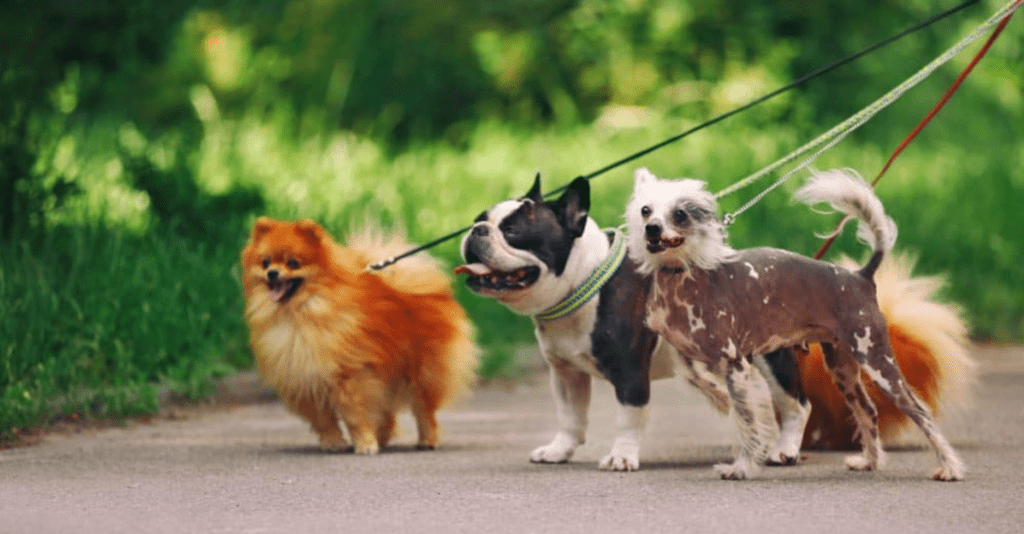
Dogs that snap at the end of their leashes, bark, and try to chase or reach other animals, people, moving cars, bicycles, etc., need extra help. Talk to your veterinarian for a referral to a professional behavior consultant and trainer for individual coaching.
Some dogs are afraid or bark. Others are very excited and have trouble controlling themselves. Still, others may have the urge to hunt or pursue. Depending on the severity of the behavior and underlying motivation, an individualized training plan needs to be tailored to the specific dog.
One of the most common reasons dogs pull on their lead is because they’ve learned to lead that way.
- Whenever your dog pulls, just taking a step with him gives a clear signal that the pulling is working.
- Teaching your dog to walk on a loose lead takes a lot of patience and time. But it will be worth it when you’re out on a nice, quiet walk with your best friend.
- Walking well on the lead
Choose equipment that is comfortable and safe.
A quick internet search will show you equipment that promises to ‘treat’ pulling, but some equipment causes pain or discomfort when the dog pulls by putting tension on a sensitive area. This is unnecessary and can be unpleasant and confusing for them.
Walk your dog using the equipment that is most comfortable for him, such as a flat harness or collar.
If you choose a harness, make sure you introduce it to them in a gentle and positive way.
Reward your dog when they are with you.
You need to teach your dog that it benefits from being close to you.
Starting in your home or garden where it is quiet, reward your dog for sitting or standing next to you. It’s much easier for your dog to learn new behaviors in quiet places where they won’t be easily distracted.
Practice without a lead to begin with.
- First, practice without the lead attached. Then when your dog reliably follows you, you can start introducing him.
- You may need to hold something your dog wants, such as a tasty treat or a fun toy, to get him to stand next to you and walk with him.
- You will need to reduce this over time but remember to always appreciate them when they are around you.
- Next, add in the movement
- As you progress, reward your dog whenever they are with you. As they begin to benefit from it, gradually increase the time and distance between rewards.
- Changing direction frequently will teach your dog to keep a close eye on you.
- Gradually add more distractions but always remember to go at your dog’s pace. If they are struggling, go back to a stage where they were successful and slow things down.
You’ll probably need to use lots of treats at first, but as your dog improves you can reduce this – eventually giving them just one treat or praise every now and then.
Consistency is key.
- Be consistent with your training every time you go out with your dog.
- It may take time but will be worth the effort in the end.
You should expect to walk your dog while he is learning. But if you stick with it, your reward will be a walk with a calmer, happier dog that no longer pulls.
Stop walking when the lead starts to harden.
- Teach your dog that walking with you on a loose lead means they’ll go – and pulling means they don’t.
- The other lead starts to harden, stops moving. Stand still, stay still and don’t move until the lead slows down.
- Don’t pull back the lead or tell your dog – just stand still and wait calmly and quietly.
If your dog doesn’t come back to you, try walking a few steps in the opposite direction to get his attention.
7 Strategies to Stop Leash Pulling in Large Breed Dogs
1. Establish strong base commands and voice control.
Unfortunately, training your dog to walk on a loose leash isn’t going to happen overnight. To help you see results more quickly, you should approach your strip training in a coordinated manner.
By that, I mean trying leash training along with other basic training and establishing good vocal control on your dog. It is important that your dog knows how to hear your voice and that it is “work time”. This is often established by adding rewards and perhaps a specific leash that your dog will begin to associate with work time.
A strong combination of basic commands and the ability to be “trained” will go a long way in how quickly you see progress with the specific strip training strategies listed below.
2. “Be a tree” method of leash training
This method is very common in teaching your dog to walk on a loose leash. The idea is that forward motion is what your dog wants, so if there is tension on the leash you don’t allow it.
As soon as the leash gets tight or your dog starts pulling, you stop moving. Your dog will likely continue to pull, but will probably double down to check why you’re not moving. At this point, move forward a few steps as the strap loosens again.
Repeating this consistently will feel tiring, especially on the first few walks, but eventually, your dog will understand that he doesn’t have to pull to move without stopping.
If your dog is not responding to your stopping, another approach may be to stop and start walking in the opposite direction to force a loose leash.
3. Use positive reinforcement to promote loose leash walking
Positive reinforcement is always my go-to approach with any type of dog training. You can easily incorporate this into your leash training and “BA Tree” method.
Keep some dog treats or very small pieces of dog treats with you during walks and reward your dog for forward movement with a loose leash. Ideally, your dog will be walking with you instead of in front, which makes it easier to get reinforcement from the occasional meal.
4. Practice hip walking when your dog is off leash
If you have a dog that walks well off leash and responds well to sound control, but is terrible on leash (we were guilty of that!), practice hip walking off leash first.
Basically, call your dog and have him sit on your left side, or use the heel command if your dog knows. Then start moving. First, encourage them to walk with you by feeding them a treat every 20-30 seconds. Choose a word or phrase to associate with this type of hip walking. “Come with me,” I say. Gradually, you will treat more frequently.
Once your dog can walk well on the hip without a leash, try adding a leash and use the “BA Tree” method to continue your training.
5. Engage with your dog while hiking
When you’re working on leash training with your dog, it’s important to stay busy and consistent. The second you tolerate any leash pulling, you’re sending the message that it’s okay. At first, it will feel difficult, but it will get easier quickly!
6. Exercise your dog before a leash training session
Because leash training is going to feel like work to your dog, and because you won’t be moving at exactly aerobic pace (especially in the beginning), you may want to find other ways to exercise your dog. Will be needed.
Starting leash training walks with a well-exercised dog will make your training much more successful! I really can’t stress this enough. Hopefully, you’ll find a dog park or arena to hold or run your dog before the leash training session.
In time, you will be able to use the on-leash walk for exercise again. But just think about it for a second. If your dog is home alone all day and you go out for a walk on a loose leash, that’s not going to go well. They’ll be excited and willing to expend some serious stretching energy if that’s what they’re used to.
7. Keep your training sessions short and realistic
Remember not to overwhelm your dog with too many lessons at once or too long practice sessions. I’ll never forget the day our 6-month-old Lab threw what I can only describe as a tantrum after we went a little overboard in training sessions. Too much, too fast can really backfire. Keep the leash training session fun, positive and short at first.
Not all methods will work perfectly for every dog.
If there’s one thing you need to know before starting any type of training, it’s that not every method will work for every dog. I’ve tried many methods when it comes to walking a loose leash, and I always feel like a failure when none work. So if you’ve read about pulling a loose leash in the past but haven’t seen results, you’re not alone.
Much of dog training is about finding what motivates your dog, and acting on it. For Laika I stuck to methods that offered good incentives for my dog—including lots of tasty treats and toys as incentives.
Have you ever heard of a tree tip? It goes like this – when your dog starts walking you stop and stand up. The theory is that your dog will learn that pulling means you’re about to stop the walk, so he won’t pull anymore.
1.Pick a way to walk and stick to it
When it comes to teaching your dog not to pull on the leash, the first tip is to choose a walking method and be consistent. You need to teach your dog what behavior is acceptable on walks, so figuring out how you want your dog to walk and sticking to that goal is the fastest way to get there.
Do you want your dog to walk to your right, to your left, or a few steps behind? Choose your priorities and be consistent. If you want your dog to stay on your right side at all times, make sure whoever walks with him sticks to that plan. Sticking to one method will help teach your dog exactly what is expected of them on walks, and will make training smoother.
2. Start in an uninteresting area.
One thing you want to avoid when it comes to teaching your dog how to walk well on a leash is setting him up to fail. So when you’re trying to teach your dog to be calm and behave well, it’s important to use things that aren’t interesting to you. Choose a quiet time of day and practice walking down the street, go for an evening walk around dinnertime when most people are indoors, or visit a park during off-peak hours.
If you take your dog to a crowded park before they’ve learned good leash manners (and proper impulse control), chances are they’ll be too excited and active to pay attention and learn something. They will be very engaged with all the interesting sounds, smells and sights – and of course the squirrels. Don’t set your dog up to fail like this. Start by teaching your dog how to walk well in a quiet area and build up from there.
3. Cheat method: Using a front clip harness
My favorite method when it comes to teaching your dog not to pull on the leash is what I call the cheat method – using a front clip. Best of all, front clip harnesses are easy to use. The hardest part is figuring out how to put them in the first two times.
I don’t regret getting a front clip harness years ago, in fact it’s one of the tools I wish I had had from the start. I’ve never seen a piece of equipment have such an immediate effect on walking. Using a front clip harness is one of my favorite dog walking tips for this reason. This is a nice easy way to help “reset” your dog’s leash manners if you haven’t been using it.
- Using a different piece of gear works especially well on dogs that are already used to pulling with a traditional collar/leash combo. From the moment you start using your new harness, continue to praise your dog when it walks well. Your dog will begin to associate the harness with loose leash walking.
- This is the method used by many police K9s. They have different collars that they wear depending on the tasks that are being given to them. A simple switch of their collar puts them in a different mindset, and they know exactly what is expected of them.
Before using this harness I was using a traditional leash and collar, and the Leica was already used to pulling. She would immediately start pulling as soon as we walked out the door, but once I switched to the front clip harness that changed. She wasn’t used to that harness, or the strap that wraps around the front—so I took advantage of this period and started teaching her good walking manners while she adjusted to the new piece of gear. It didn’t take long to catch on, and our walks have been more pleasant since then.
4. Use treats to encourage your dog to follow you.
Whatever method you use to prevent your dog from pulling on the leash, the most important thing is to keep your dog active. To help motivate them to behave well you need to show them that good things happen when they do, and the easiest way to accomplish this is to use tasty treats. . Giving your dog something positive for a certain behavior will encourage him to repeat the behavior, and walking on a loose leash is no exception.
So when you start teaching your dog how to walk on a leash, remember to use treats (or toys if your dog is more motivated to play) to encourage him to follow you. This will show them that walking well without pulling on the leash means good things happen, and over time they will begin to repeat the behavior themselves.
Correcting gait problems
There are many reasons why dogs may pull on the leash or resist walking. If the dog has not been leash trained before, the sight, smell and feel of the leash and collar can be frightening or startle the dog, which can lead to resistance or barking. A dog that has been cooped up may be overly excited to go out on a leash, which can lead to excessive pulling or ignoring commands. Similarly, if dogs are interested in nearby objects, they may be more likely to pull, or if they see something that scares them, they may resist walking.
Once you understand why a dog may have difficulty walking on a leash, there are several techniques that can encourage appropriate behavior…
Get to know the dog
If the dog is not used to wearing a collar or leash, let him see and smell the gear first. To help your dog adjust, rub the leash with your fingers to transfer some of your scent along its length, and let him wear the collar without the leash before the walk.
Adjust the collar position.
The top of the dog’s neck is the most sensitive area. The collar should fit in place, which will allow for a gentler correction as the dog will feel the impact more quickly. If the collar is too loose or low, the correction will not be as effective.
Shorten the strap.
A short leash allows the dog to have firm control without going so far that it is tempted to further distractions. The touch of a leash and collar is an important part of dog owner communication, and a shorter leash puts the owner in better control of their pet.
Check the feet.
If a normally well-behaved dog is having trouble, check the dog’s legs and feet for bumps, bruises, cuts, or any swelling or tenderness that could indicate an injury. See a veterinarian for help with serious problems, or allow the dog to heal before resuming leash training.
Use verbal commands.
Dogs have excellent hearing, and verbal commands can be an important part of leash training. “lets go!” Use an excited voice to say. To encourage forward movement, and “No!” Use a strong, strong tone with To discourage misbehavior.
be quiet
If a dog pulls, stand still and do not allow them to move towards the object they are interested in. When the dog stops to look at you, reward the pause with a friendly word or small treat. If they start pulling again, stay still until they stop again, then move in the right direction to guide them.
Pick up the piece
If a dog is easily distracted on a walk, a faster pace can reduce unwanted behavior by giving them less time to focus on new things that might lead to pulling. Dogs will also enjoy the excitement of their owners’ pace, and a brisk walk is better exercise than a slow walk.
Walk more often
Any training is more effective if it is repeated and refreshed. More frequent walks will not only remind the dog of proper leash manners, but also provide more exercise and more bonding between dog and owner.
Try the treats.
Small treats can reward good walking behavior, although it’s important to use them only as a tool, and reinforce the dog’s successes verbally or with a happy pat. Eventually, the dog should master easy, comfortable walking without treatment.
Tips for Better Walking Behavior
Whether your dog is big or small, here are six ways to improve your dog’s on-leash behavior:
Adjust your attitude.
First, ask yourself: “What would I rather be doing?” Instead of teaching a dog to stop pulling, think of it as teaching your dog how to walk with you.
Remember it’s all about the rewards.
A simple and effective way to start teaching a dog to walk properly on a leash is to reward the dog for paying attention to you and staying in the desired position (at or near you).
“As the dog learns that walking with you is a pleasant, rewarding experience, she will spend less and more time walking with you,” Fraser says. Try using very specific foods at first, like small pieces of boiled chicken or roast beef, to get your dog’s attention, she advises.
If you are concerned about spoiling your dog’s food, you can use dehydrated dog food or freeze-dried dog food chunks in your dog’s daily food. This will help you ensure that you are not overfeeding your dog while also providing them with tasty incentives for good behavior.
Play the “follow me” game.
Grab your leash and take several steps away from your dog. Backward movement is inviting, so your dog is likely to turn and follow you. Say yes!” As soon as your dog approaches you, immediately reward him with a treat.
“The game helps your dog focus and walk with you,” Fraser says. Then take several steps back in another direction. Again, say “Yes!” As soon as your dog approaches, reward him with a treat. Repeat this pattern eight to twelve times, until your dog is following you when you leave.
Practice your regular walks.
Once you start making your move, say “Yes!” every time your dog looks at you or walks alongside you. And immediately reward him with a treat.
Reward often.
“Repeated rewards will help your dog learn the behavior you’re looking for more quickly and make the learning process easier for him,” Fraser explains.
“The trick to making this work is to use very specific behaviors at first, and to keep your rate of reinforcement high, which just means you’re marking and rewarding often — maybe Every 4-5 steps forward – leashed behavior for any and all ‘good’.”
Over time, you can reduce your reinforcement rate, rewarding your dog less frequently during walks, Fraser adds.
Consider extra help.
“If your dog is already an exerciser, consider purchasing a standard front clip harness to provide extra control on walks,” advises Fraser. But if your dog already pulls hard with a no-pull dog harness, consider working with a certified, positive reinforcement-based trainer.
Finally, remember that walking on a leash is a skill that takes time and practice for both the pet parent and the dog, so celebrate incremental improvements and successes!